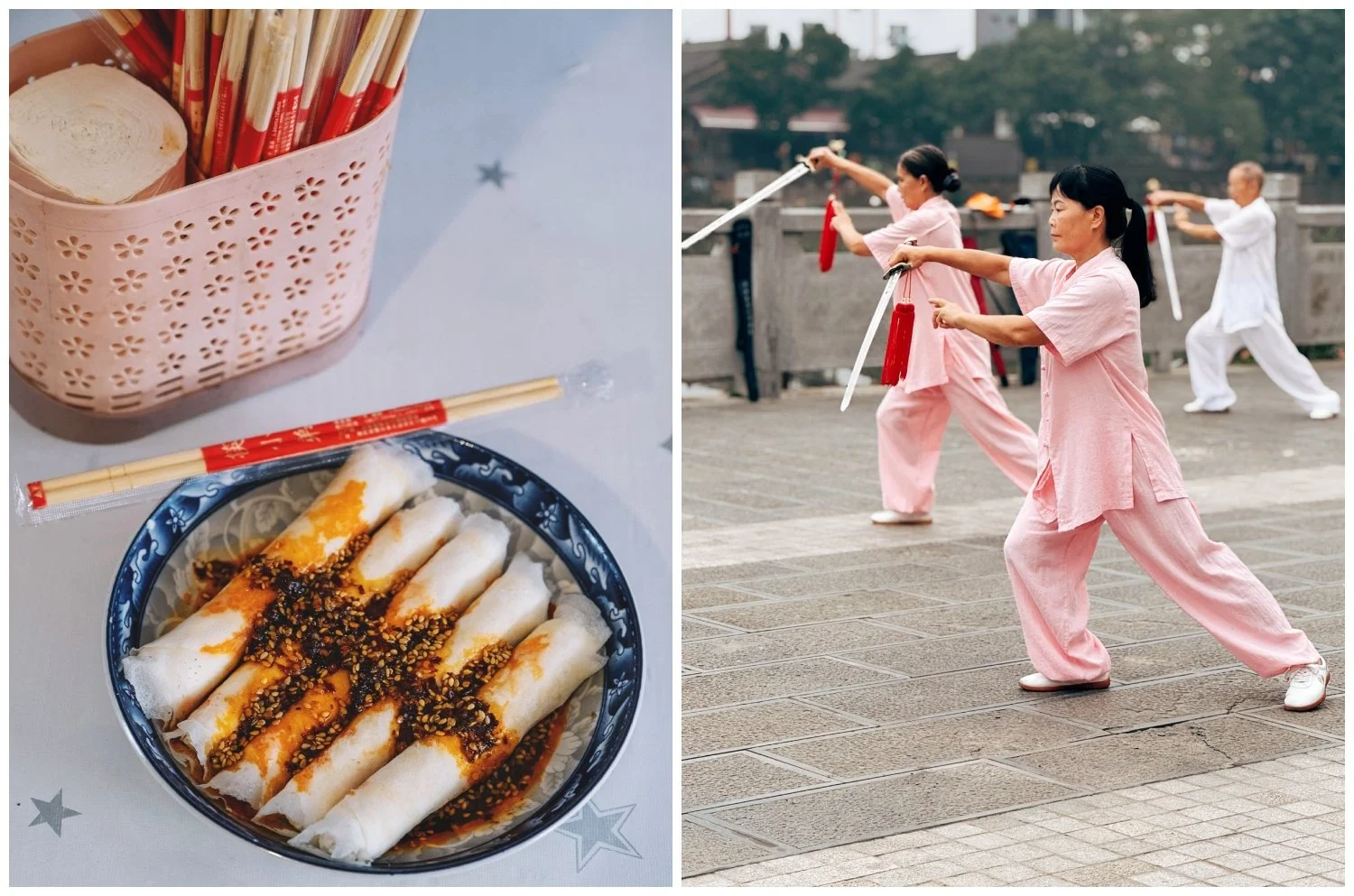
Sichuan Beyond Chengdu: Tea, River Fish & Mountain Flavours
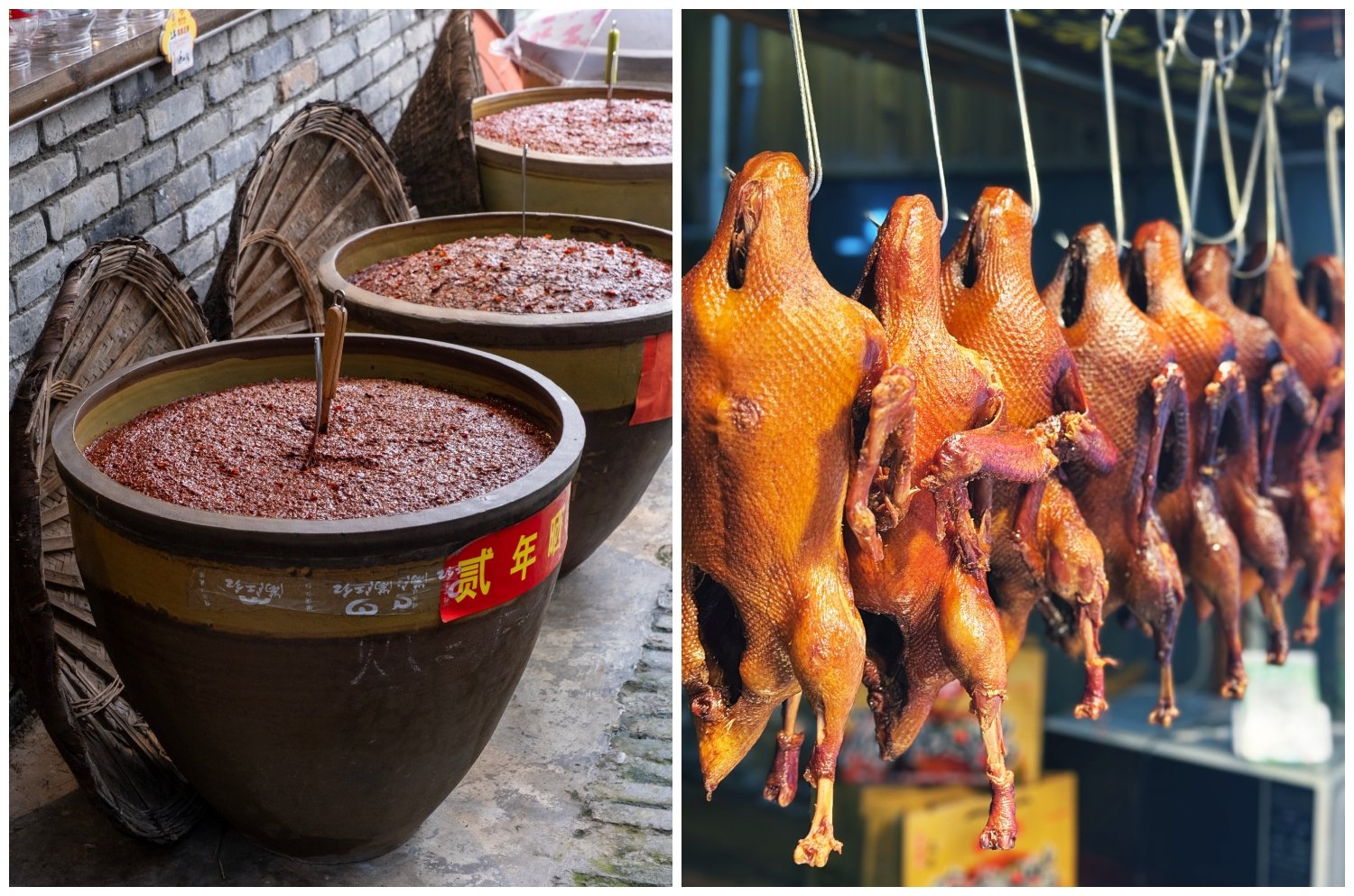
A few hours southwest of Chengdu, the roads climb towards Ya’an, where misty mountains, rushing rivers and endless tiers of emerald tea plantations create one of Sichuan’s most ruggedly beautiful landscapes.
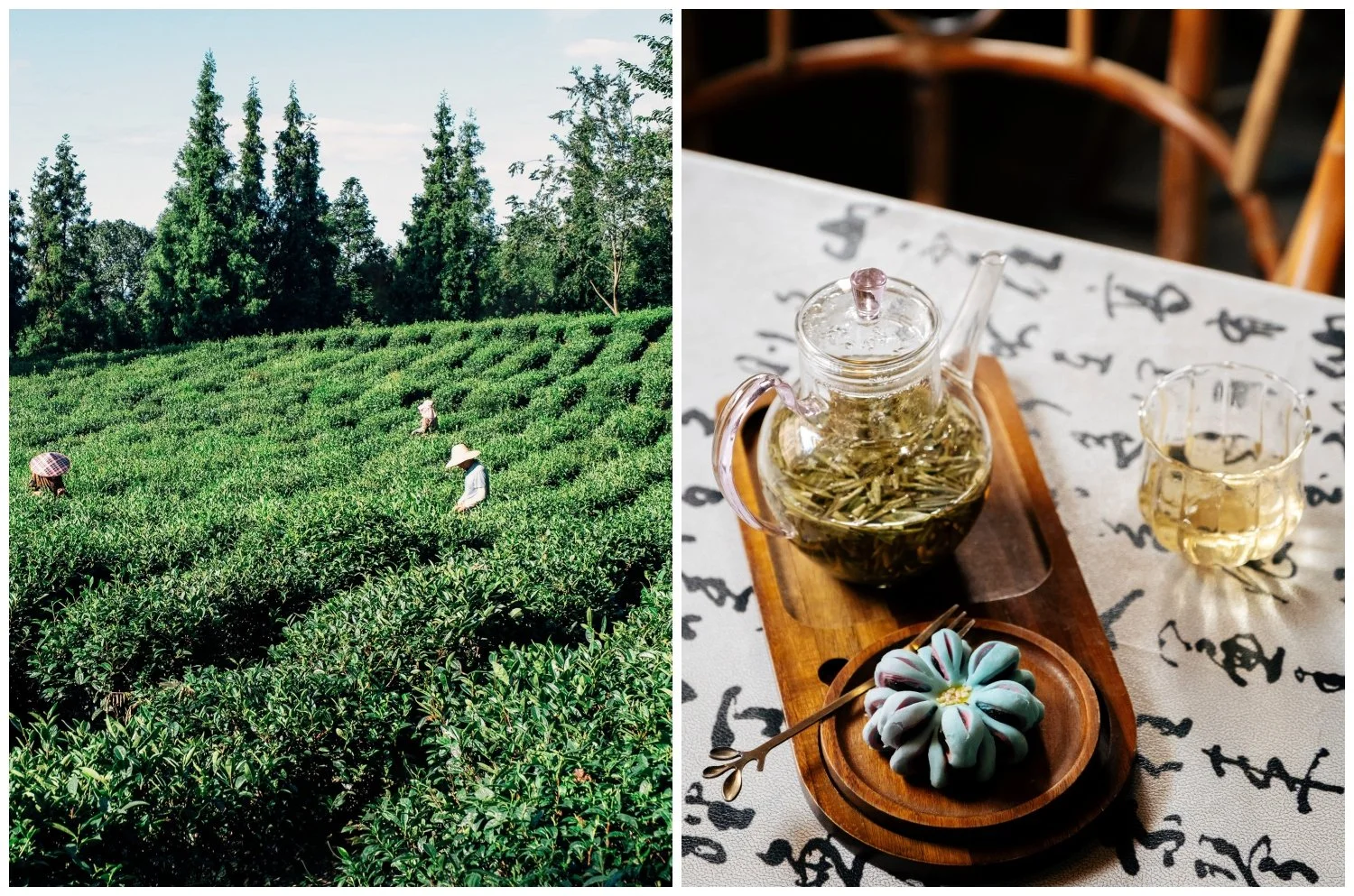
Nearby Mengding Mountain is one of China’s important historic tea regions, with legends of cultivation stretching back more than two thousand years. Mengding Ganlu, or “sweet dew tea”, is a delicate, nutty green tea that was prized as an imperial tribute for centuries.
Today, walking through the tea fields, you can still see the relationship between landscape and tradition. Tea is not just a premium agricultural product here; it is part of the rhythm of daily life. On the mountain slopes, among the mist and bamboo, the connection between people and place feels tangible.
Ya’an: river fish, markets and mountain produce
Ya’an is also famous for yǎyú, a prized river fish found in the cold, fast-flowing waters around the region. It is famously picky about its habitat, requiring clear, cold, oxygen-rich streams. Historically sent as tribute to imperial courts, yǎyú remains a local delicacy today, with people travelling to Ya’an specifically to eat it slow-simmered inside heavy black earthenware pots with delicate, soft tofu and greens.
It also carries one of Sichuan’s best pieces of culinary folklore: a distinctive sword-shaped bone in the fish’s head is said to be the blade of the goddess Nüwa, which she dropped into the river while repairing the broken sky.
Fittingly, this same extraordinary river environment has given Ya’an another unlikely culinary claim to fame. The cold, pure waters that sustain yǎyú also provide ideal conditions for sturgeon farming, and the region is now one of China’s important centres of caviar production.
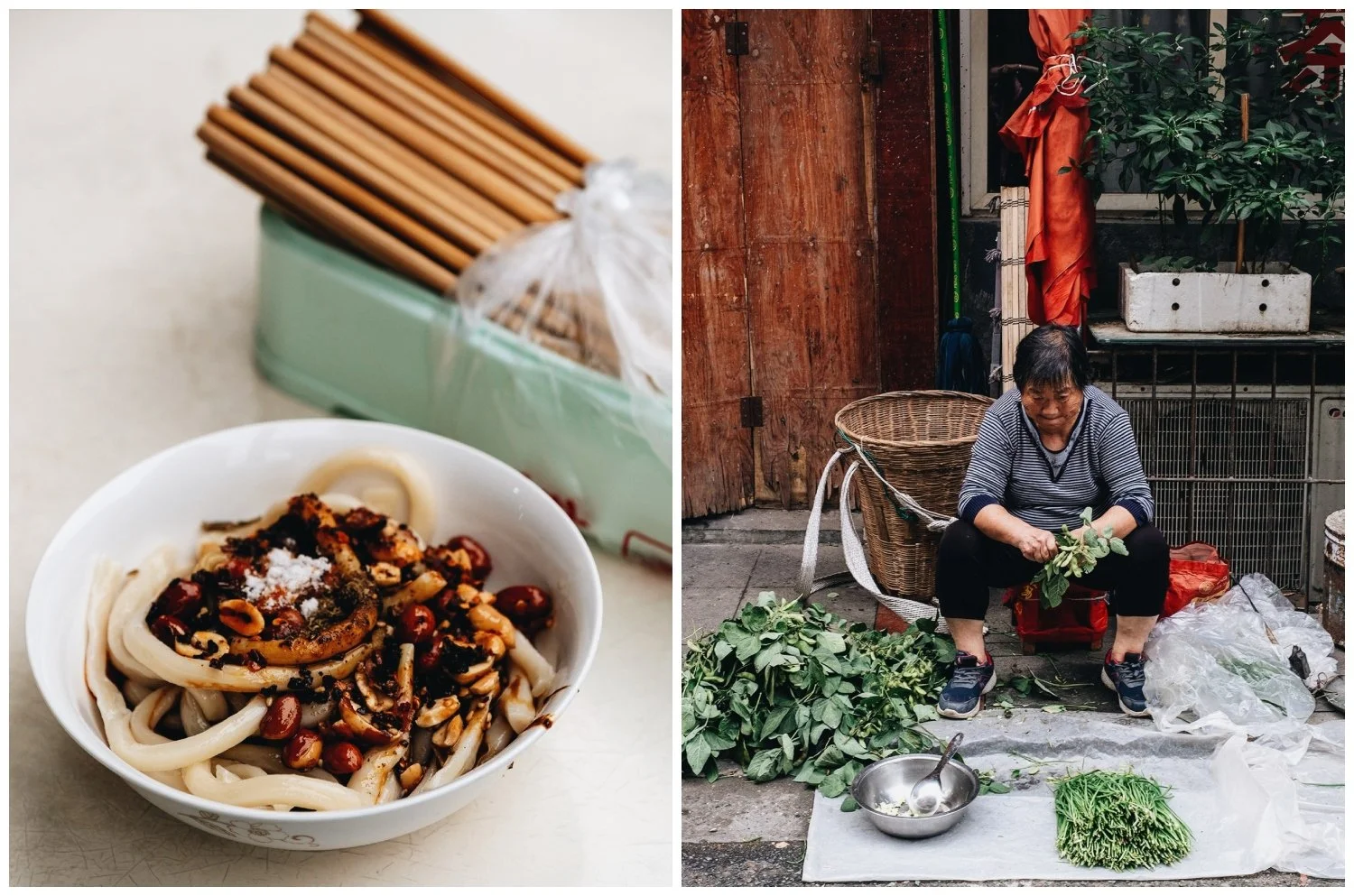
But you don't need to sit in a restaurant to understand how the landscape dictates the food here. Wander into Ya'an's main food market and the mountain freshness is immediately obvious. The stalls are piled high with enormous white radishes, vibrant carrots, seasonal foraged mushrooms and crisp celtuce, while vendors assemble the local fresh spring rolls (yǎ'ān chūnjuǎn).
These completely upend what most foreigners expect when they think of Sichuan food – or spring rolls. They're not fried but served cold, their soft, almost translucent wheat wrappers more akin to Southeast Asian popiah. Each is packed with a crunchy mix of sweet-and-sour pickled white radish, shredded vegetables and crisp sprouts before being smothered in a sweet, tangy, sesame-laden and deeply savoury chilli sauce.
They taste as fresh and vibrant as the hills surrounding the city and make a surprisingly excellent breakfast.
Why Sichuan food makes sense when you understand the landscape
This combination of unpolished landscape, deep regional history and food woven straight into the geography is what makes Sichuan so compelling.
The dishes make absolute sense because of exactly where they come from. In Chengdu, food is part of a social life built around teahouses, markets, noodles and small restaurants. In the mountains around Ya’an, tea, river fish and fresh produce reflect the cool, wet landscape. And across the province, local ingredients, preserved foods and generations of culinary knowledge create a cuisine that is far more diverse than the familiar image of chilli and hotpot suggests.
That is the Sichuan I keep returning to.