
Beijing & Beyond – Expressions of Interest
Northern China in autumn is all contrast and clarity. Ancient capitals, vast plains, and fortified landscapes sit beneath wide, dry skies where the light sharpens, the air cools, and travel settles into something more atmospheric and intentional.
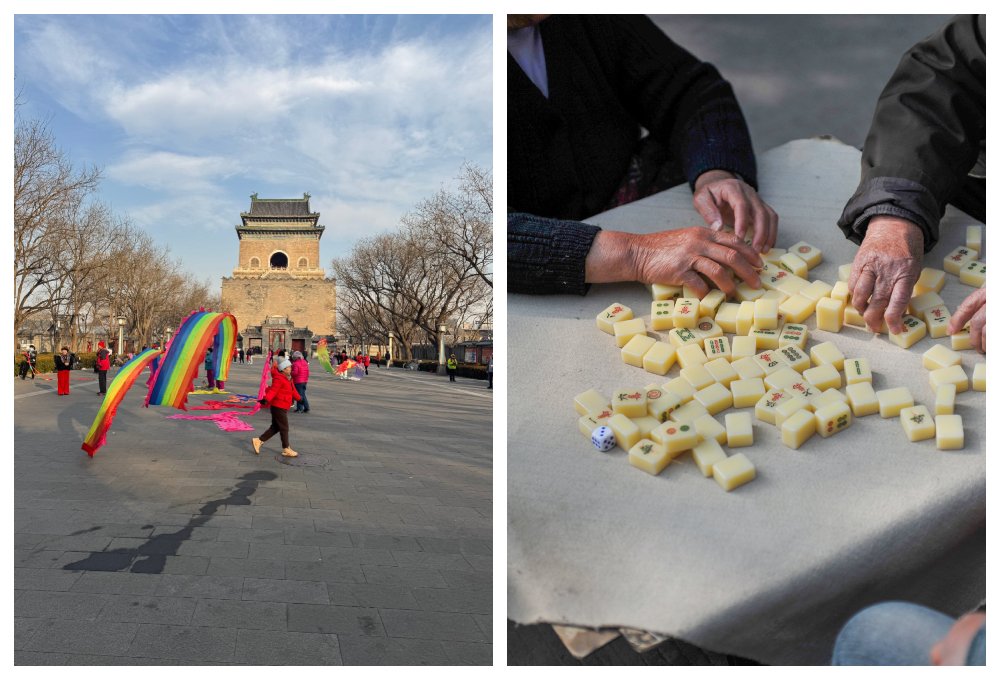
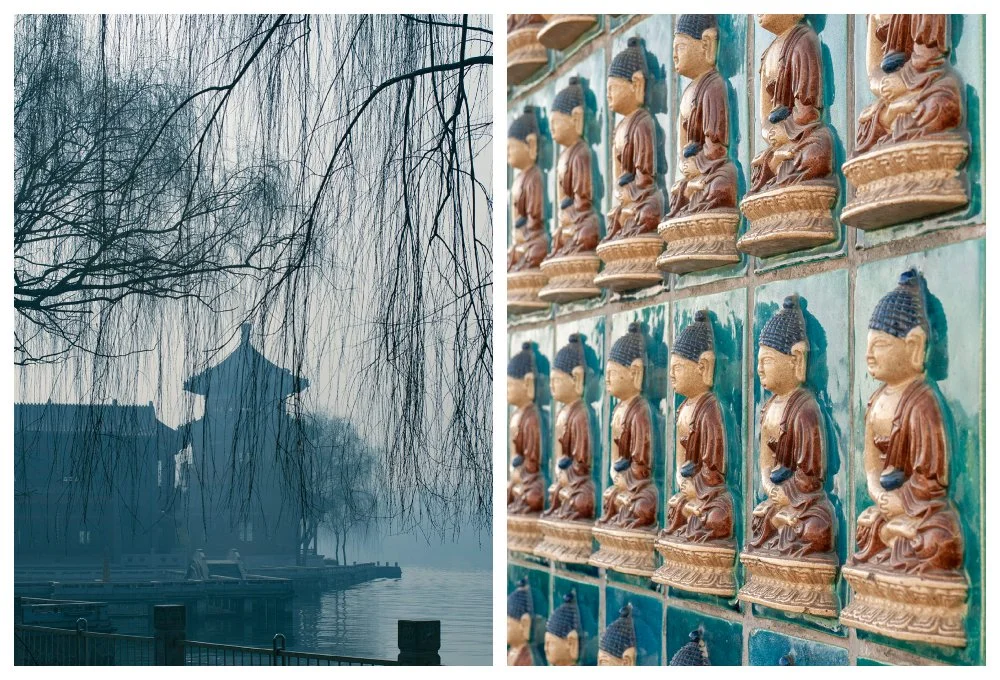
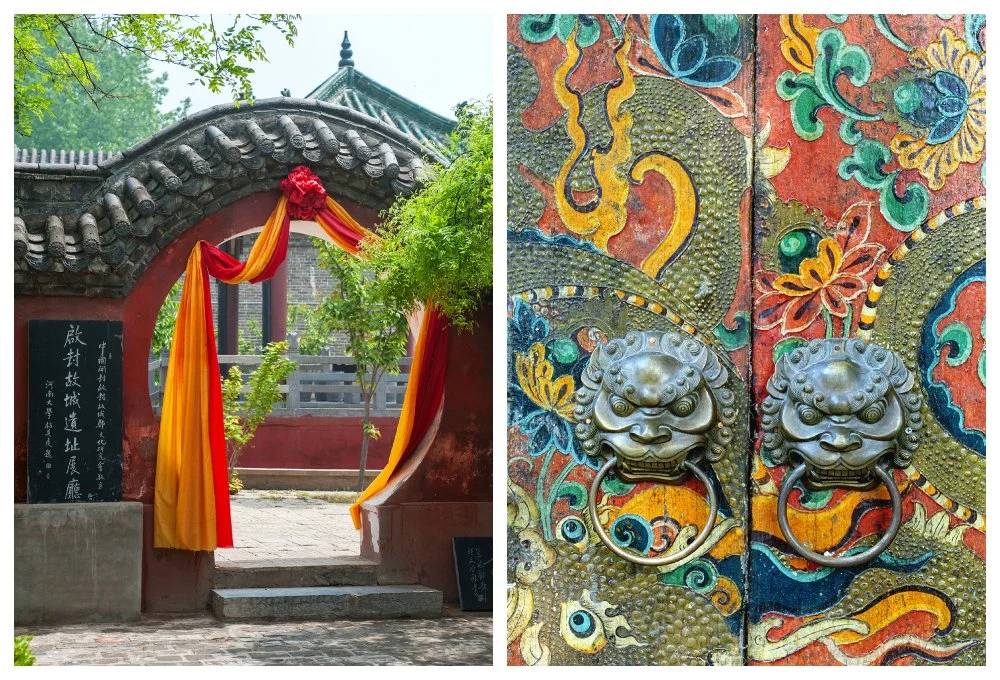
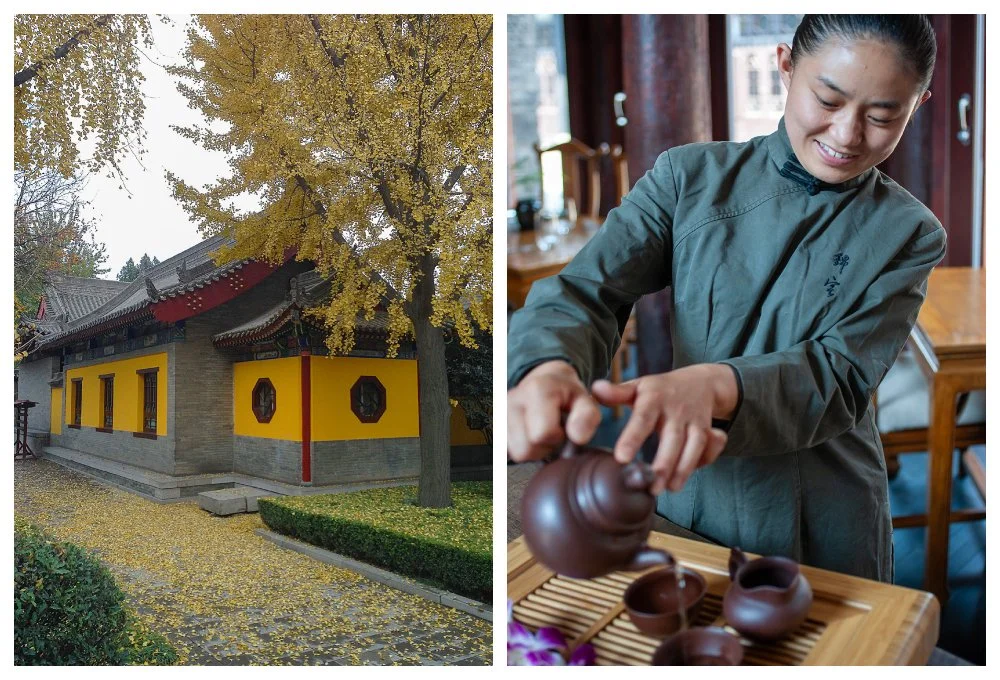
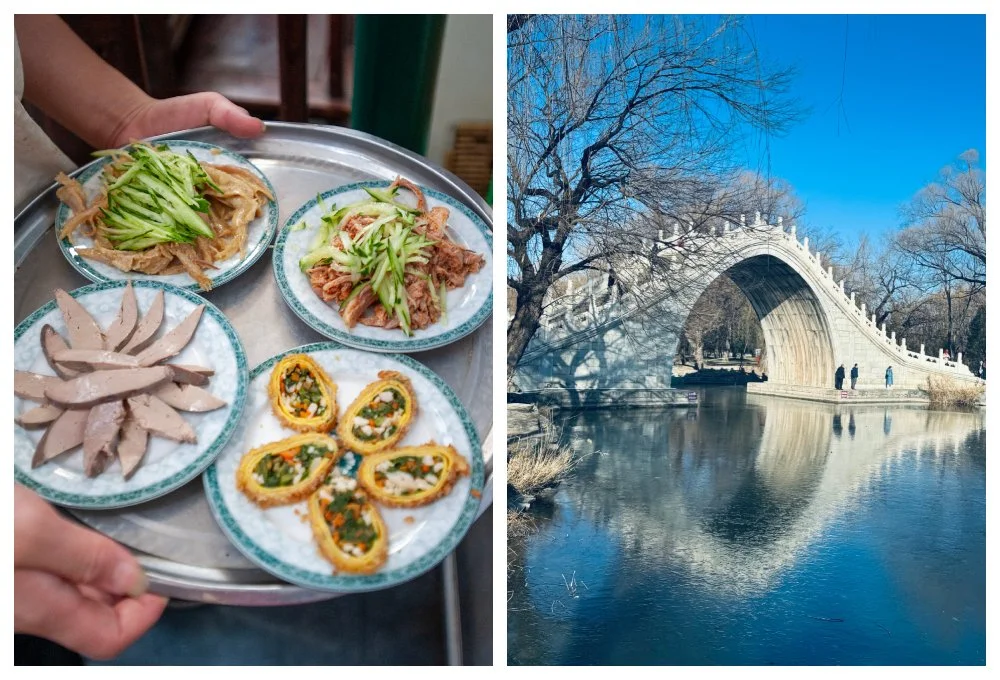
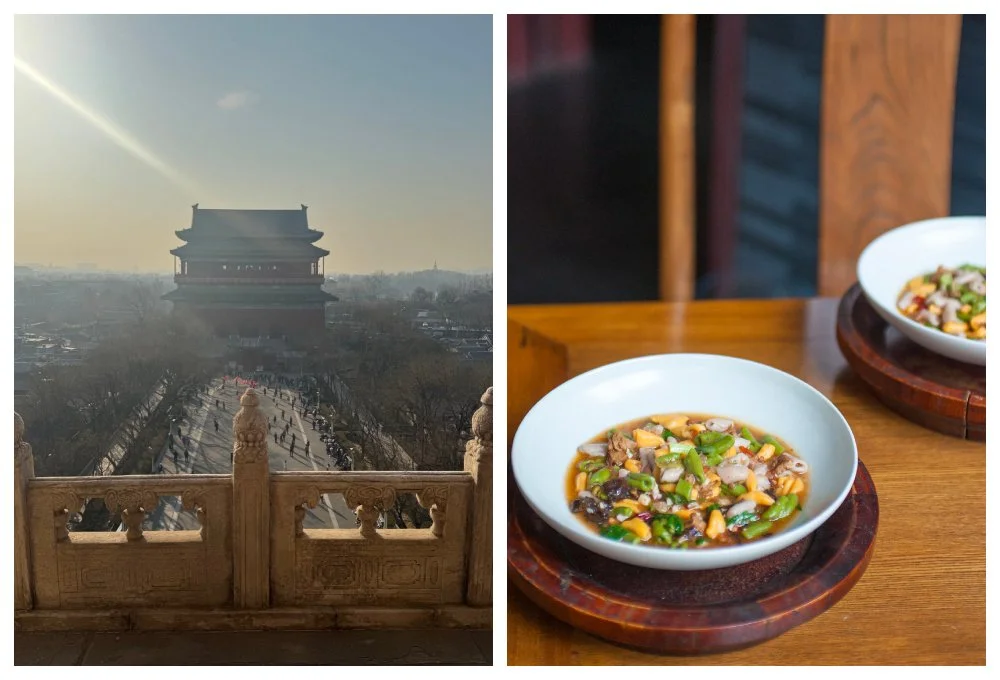
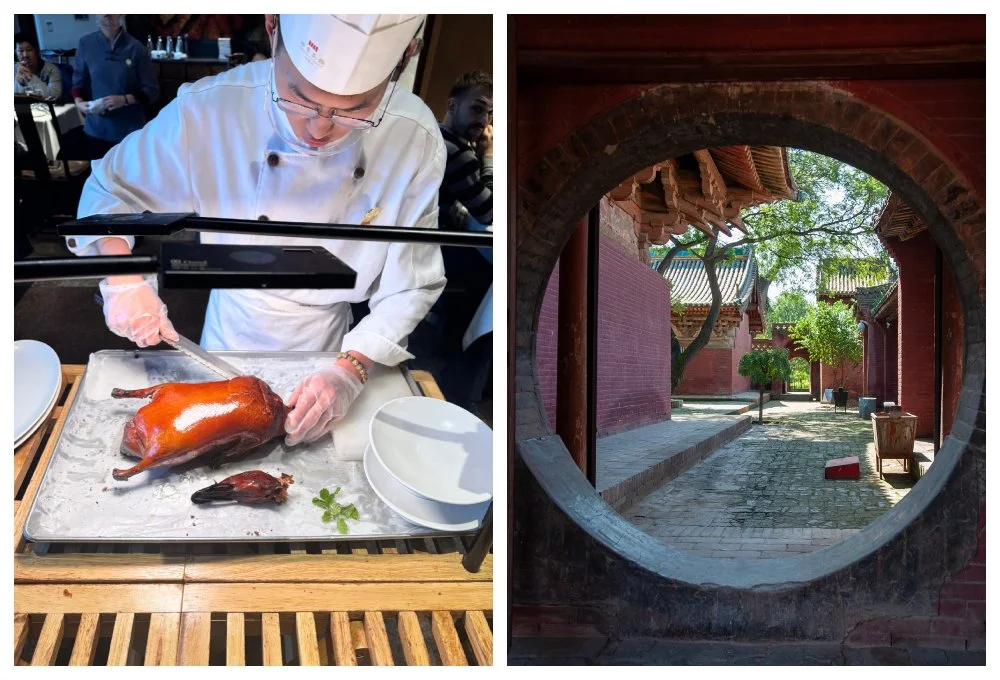
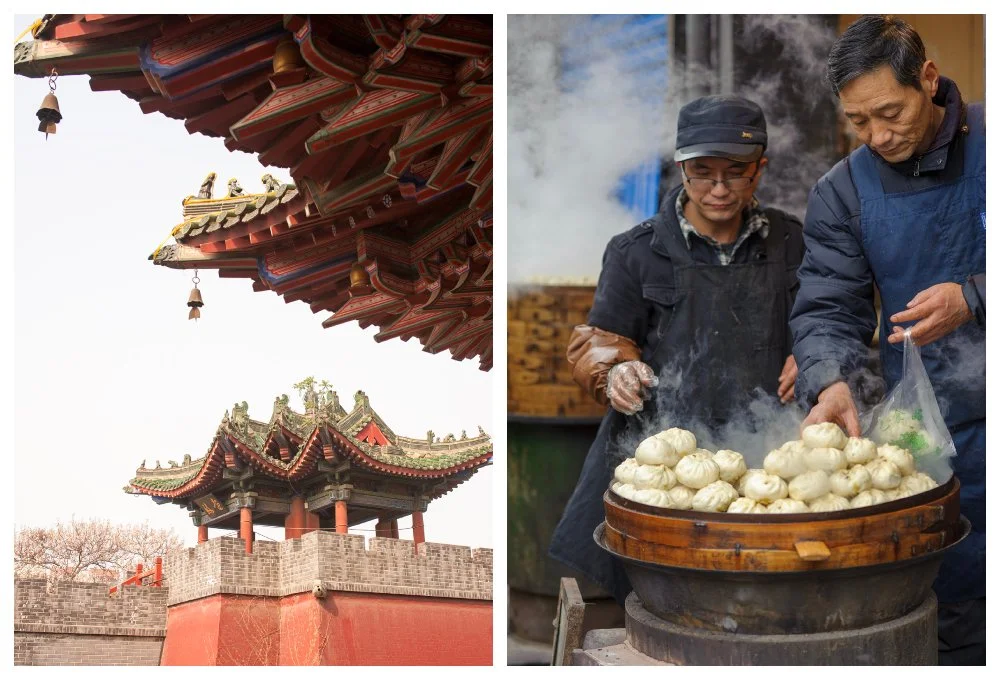
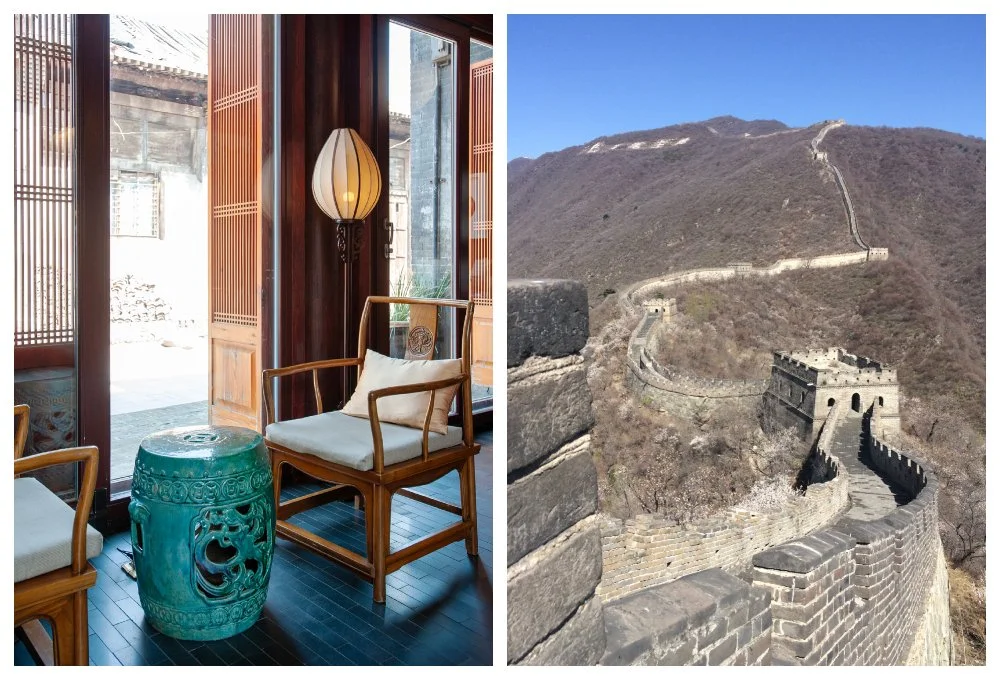
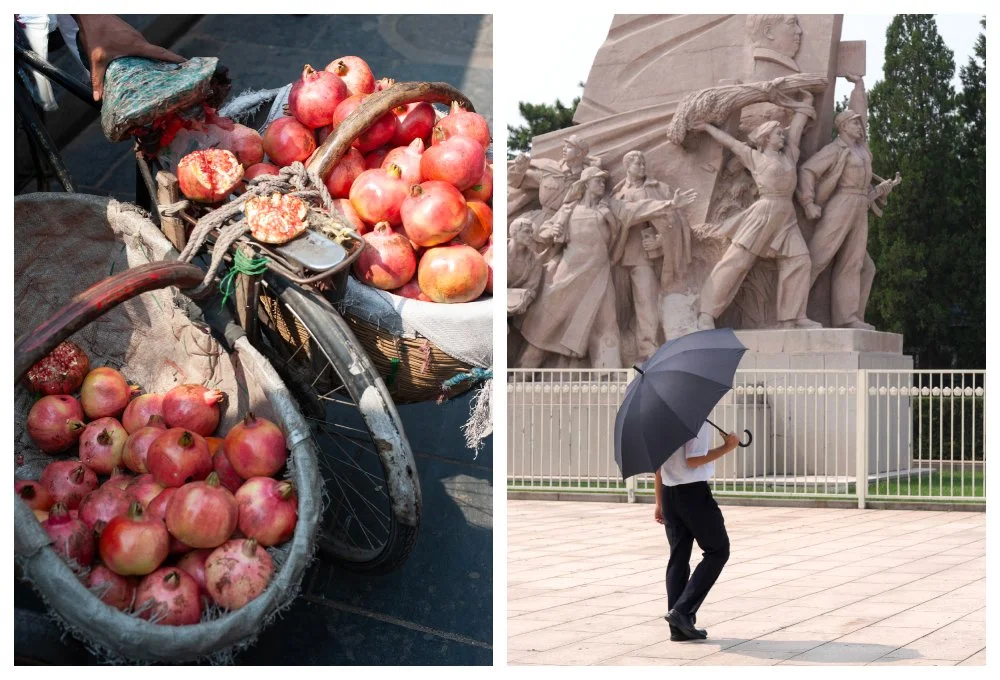
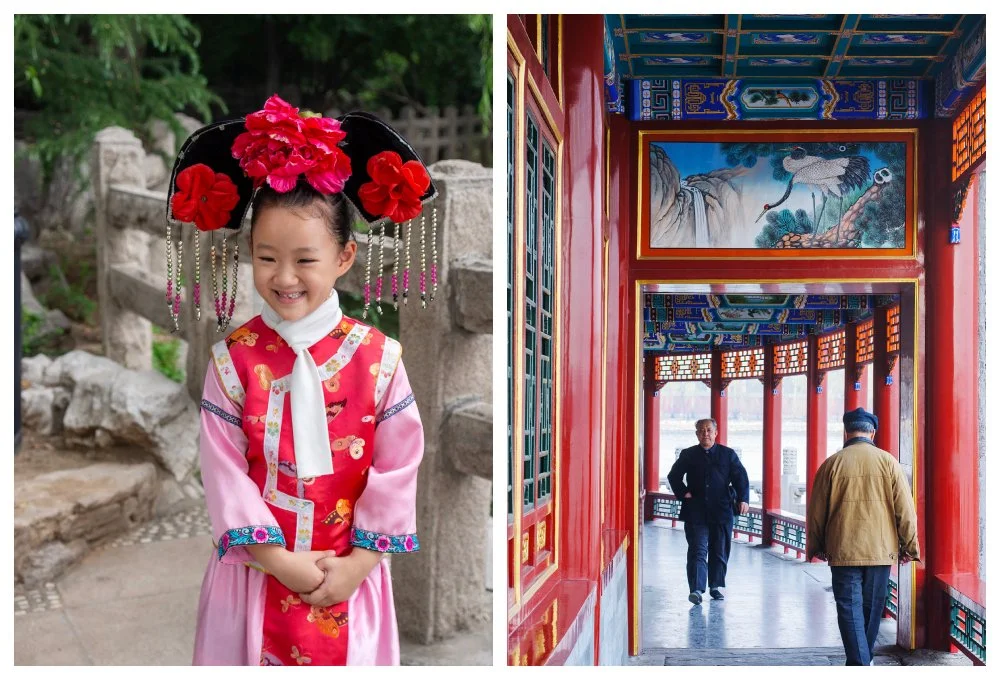
It unfolds through layers of time and geography. In Beijing, imperial architecture and everyday life overlap in dense, fascinating ways – temple courtyards, hutong alleyways, and the quiet geometry of the Forbidden City, threaded through a modern, living city.
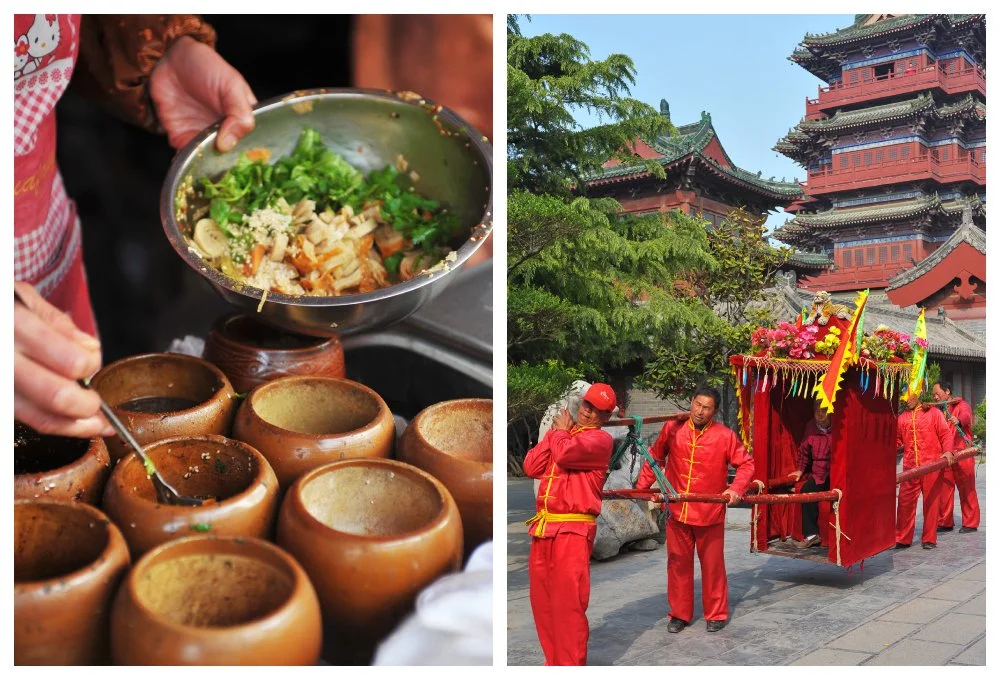
In Taiyuan, Shanxi’s defining vinegar culture comes to the fore, with aged vinegar used across noodles, cold dishes, and slow-braised cooking, shaping a cuisine built on preservation and balance.
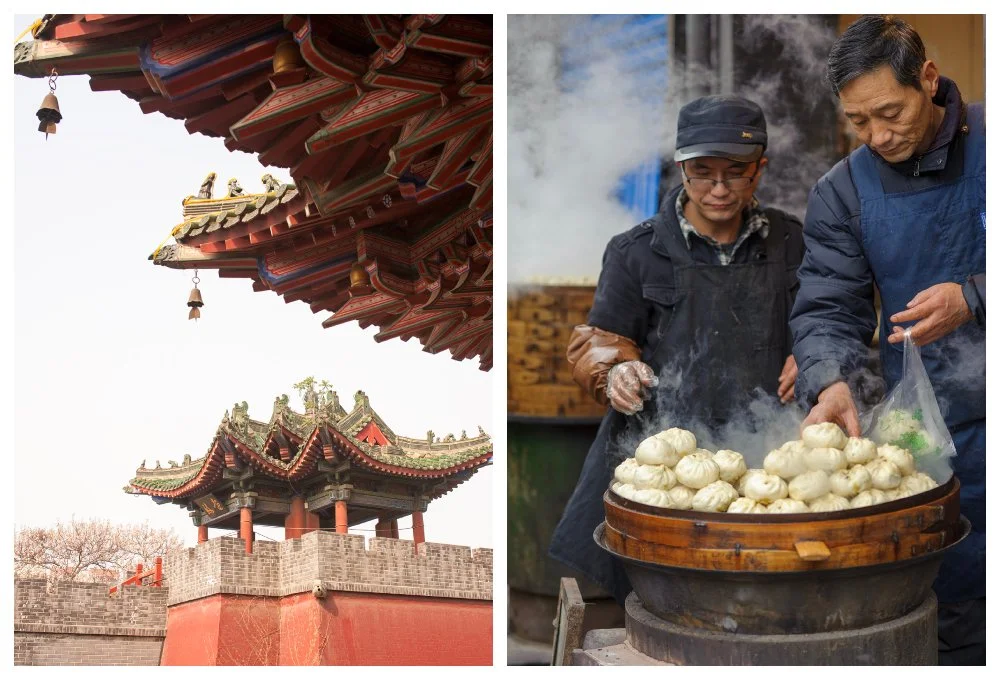
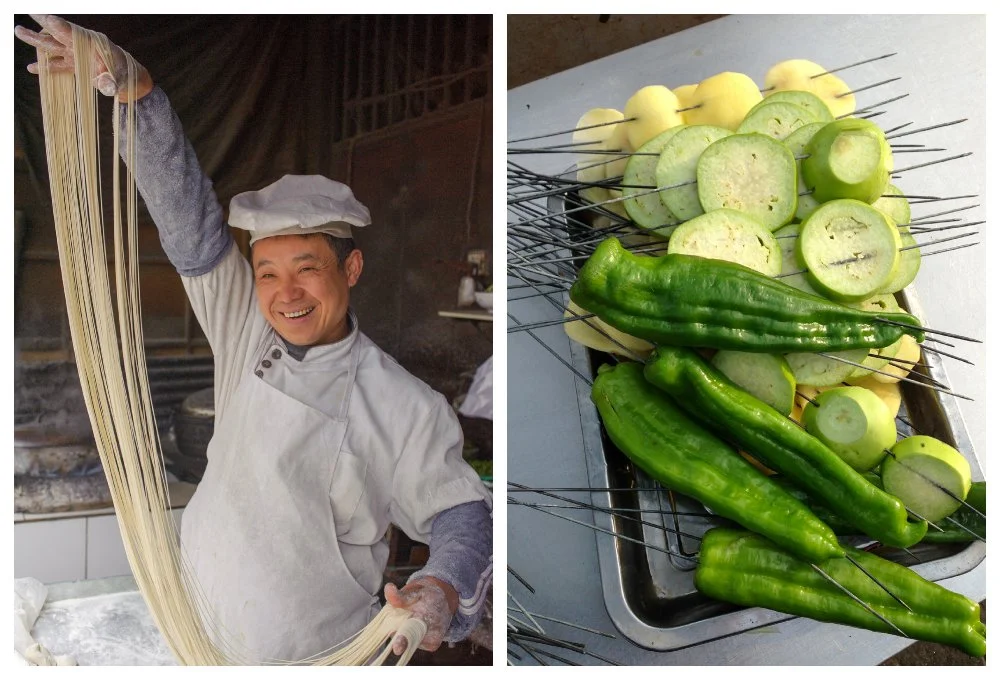
In Datong, the scale shifts again. The Yungang Grottoes feel carved from another world entirely, while the old city reveals rebuilt walls, night markets, and northern food designed for cold air and big appetites – hand-pulled noodles, lamb skewers, kǎo lāo lao, roast lamb, and warming broths.
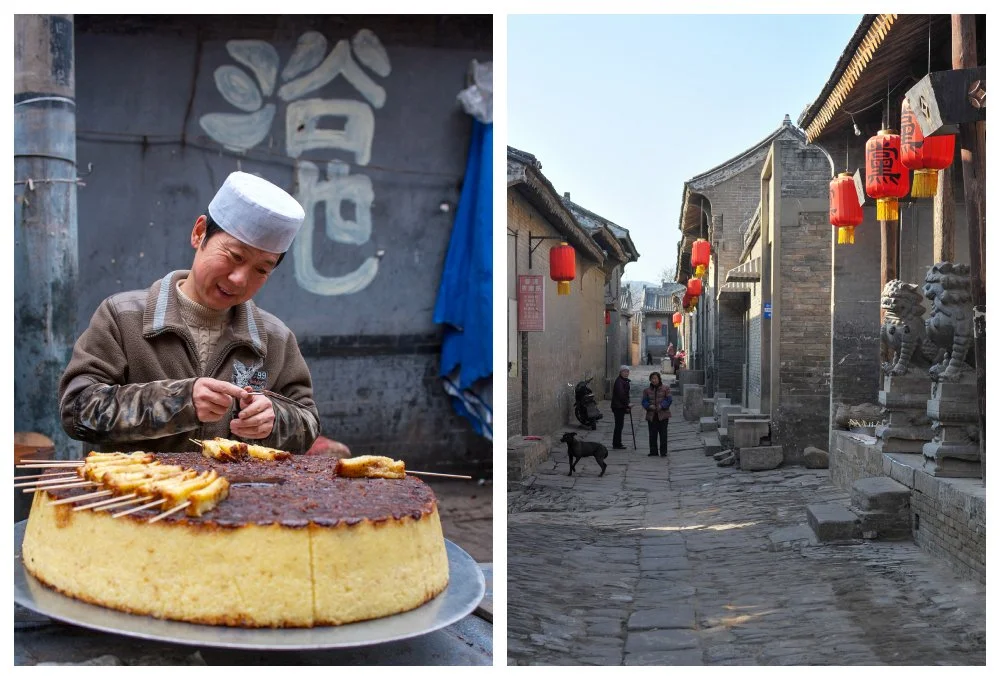
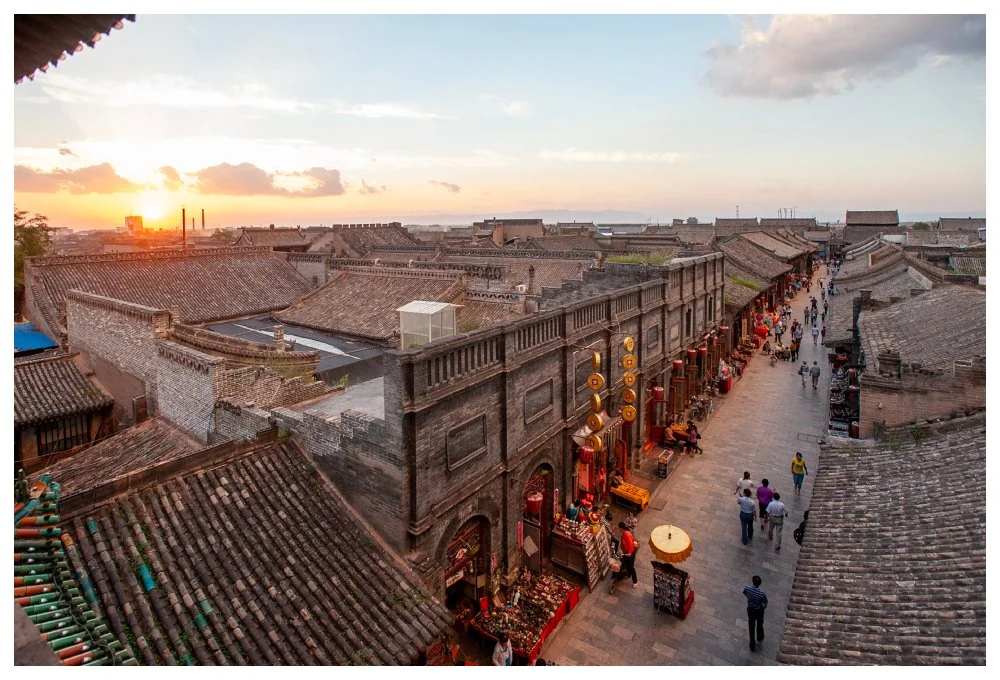
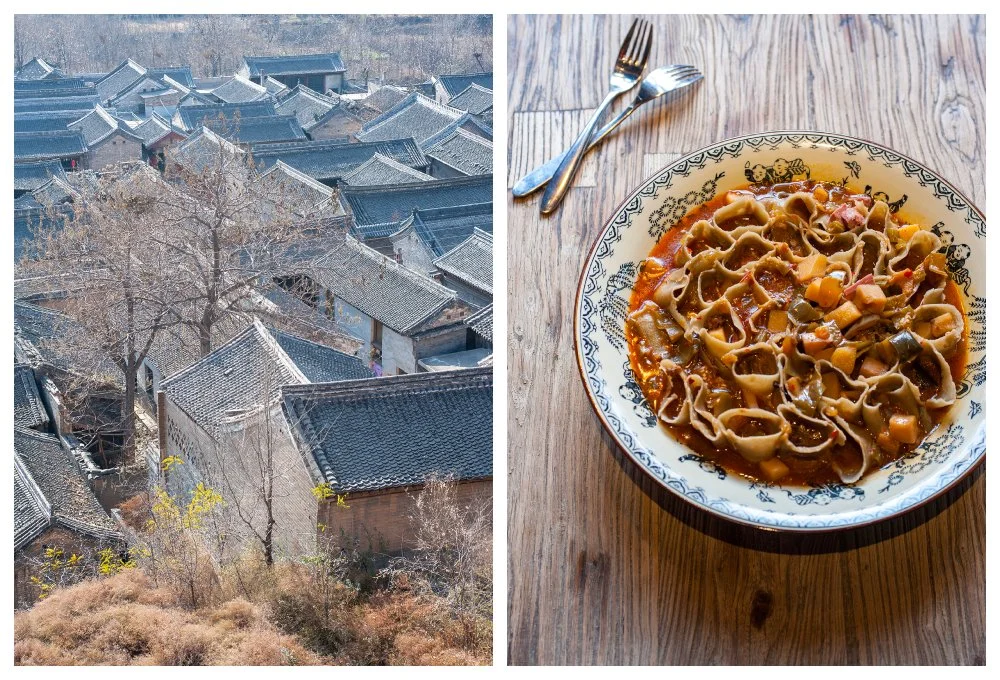
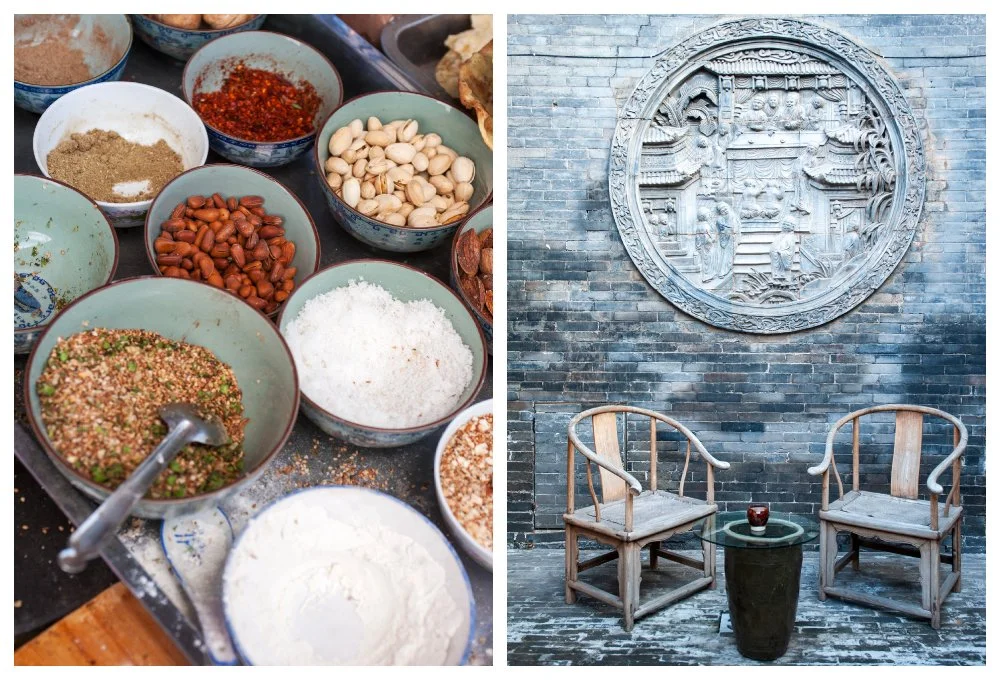
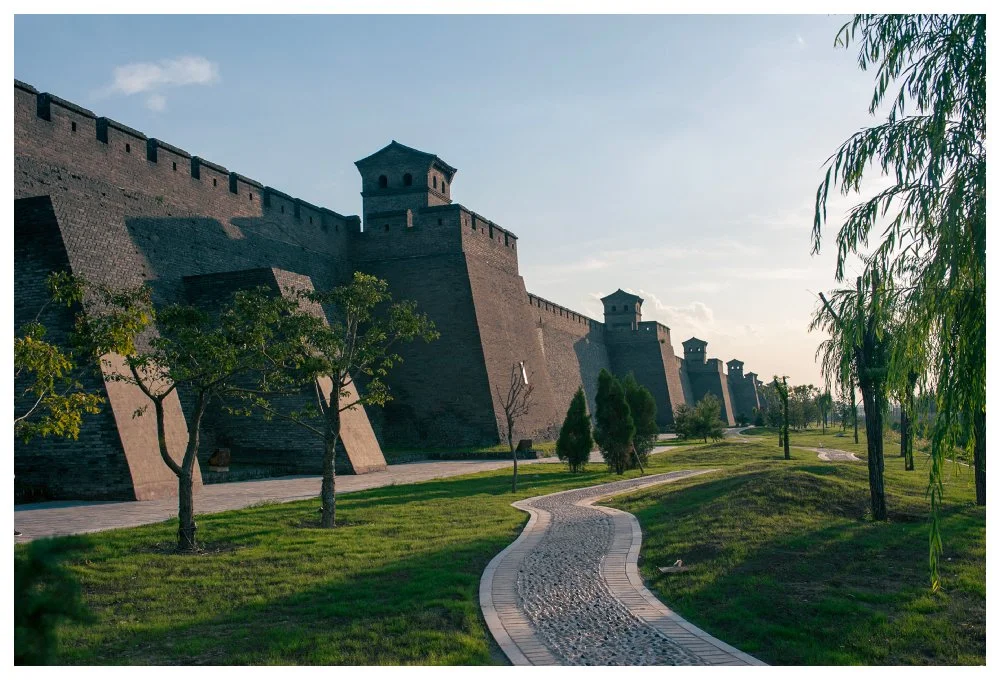
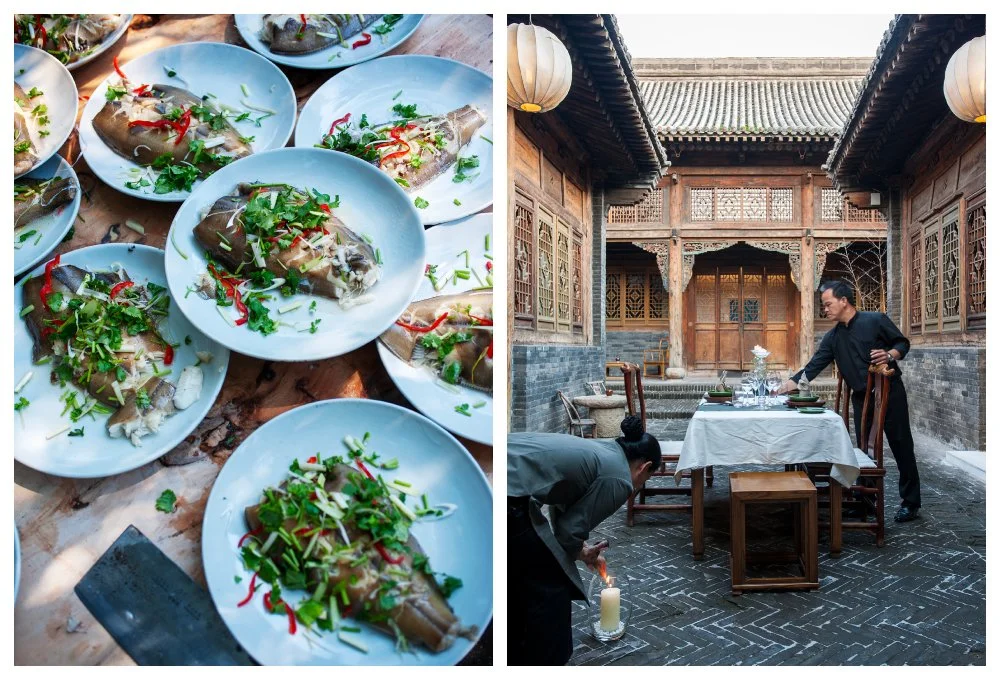
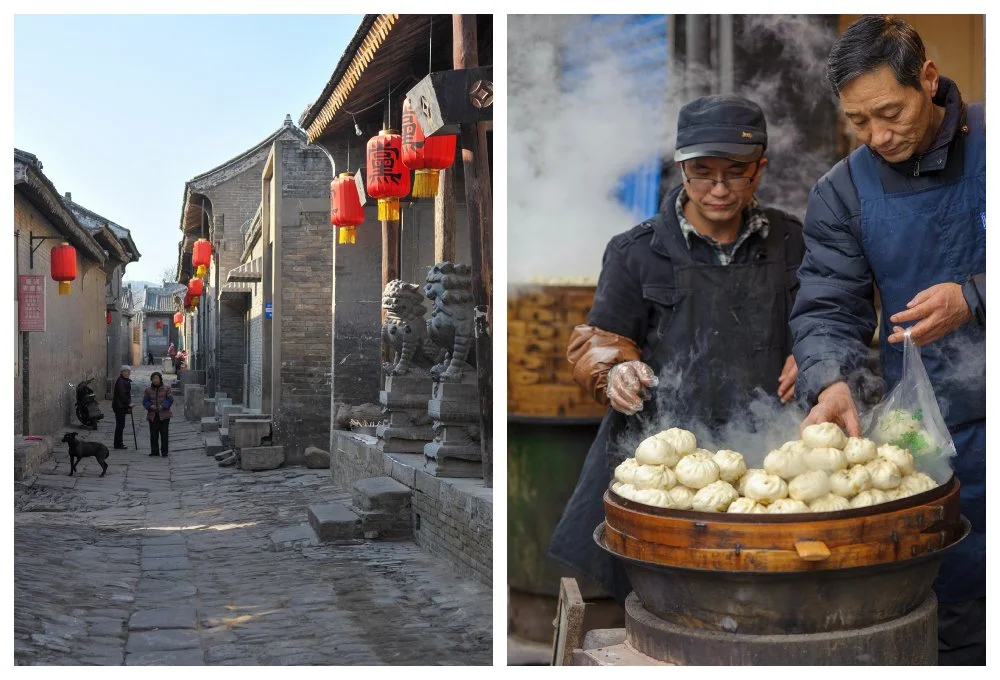
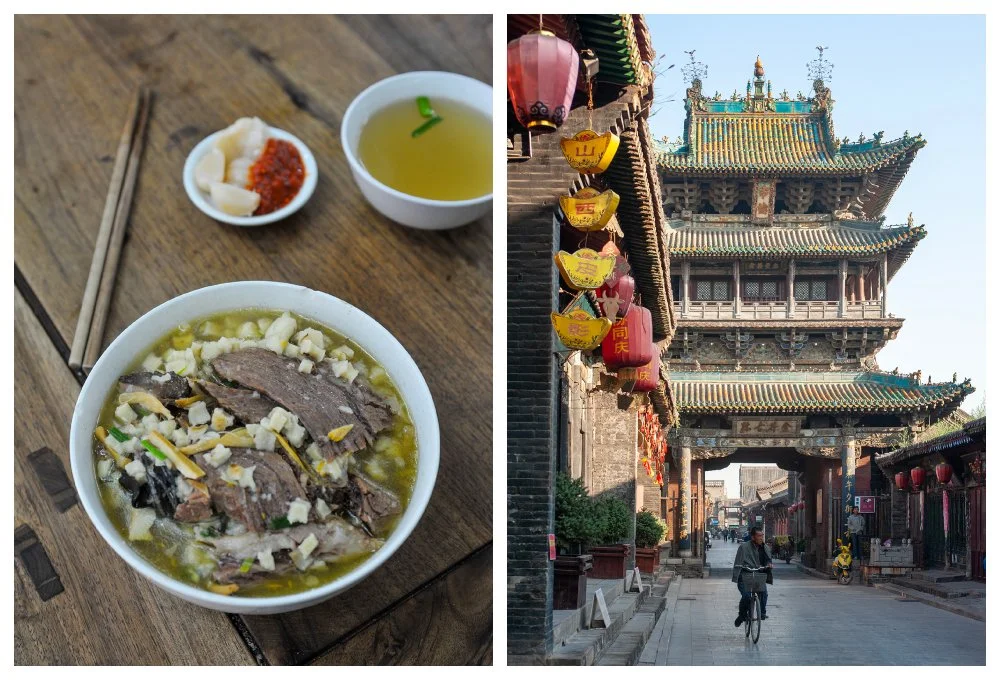
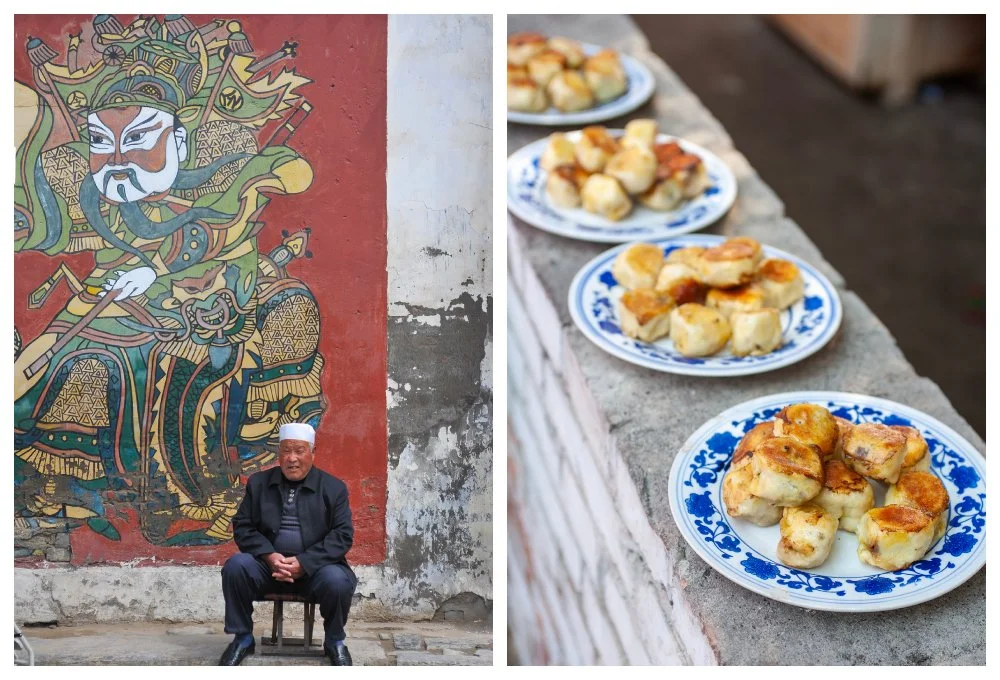
Pingyao brings a more distilled rhythm. Inside intact Ming-era walls, life moves through narrow stone lanes lit by lanterns after dark. Shanxi cuisine is grounded in preservation and fermentation – an extraordinary range of noodles (shaved, pulled, pressed, pinched, rolled, cut), alongside slow-braised meats and old merchant-house cooking traditions.
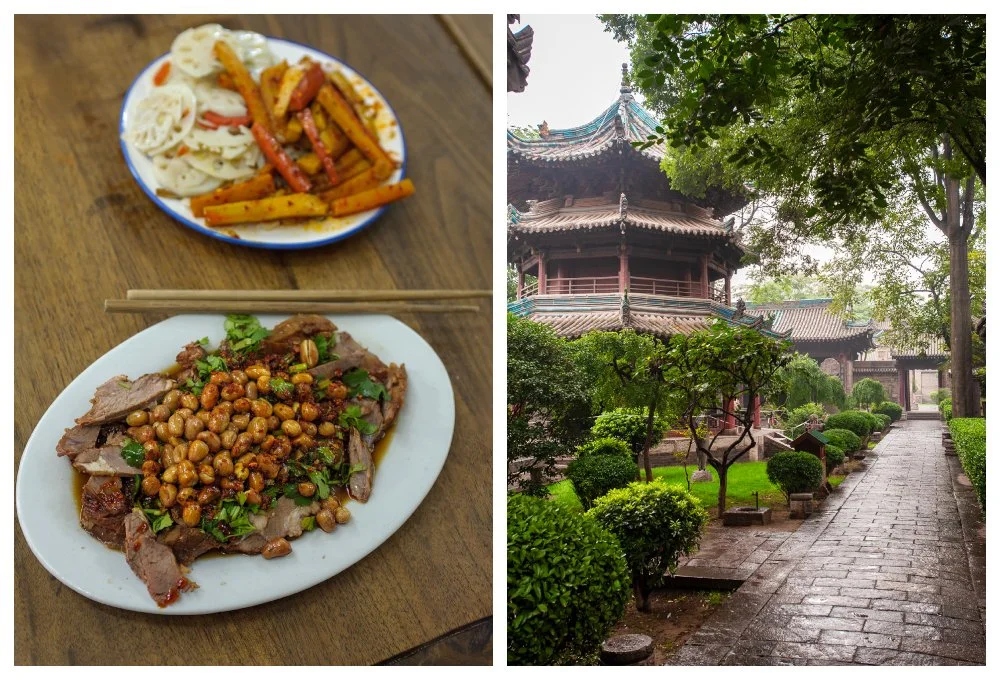
Further south, Xi’an sits at the historic starting point of the Silk Road and was the capital of multiple dynasties – a place where archaeology and street life exist side by side. In the Muslim Quarter, skewers smoke over open grills, biáng biáng miàn are pulled and slapped into thick ribbons before being dressed in chilli and garlic, and ròu jiā mó – braised meat tucked into crisp flatbread – are eaten in crowded lanes filled with steam and movement.
After China’s National Holiday period, the crowds thin and northern China enters its most comfortable travelling window – crisp, dry days, cool evenings, and long stretches of golden light that reveal texture in both landscape and built form.
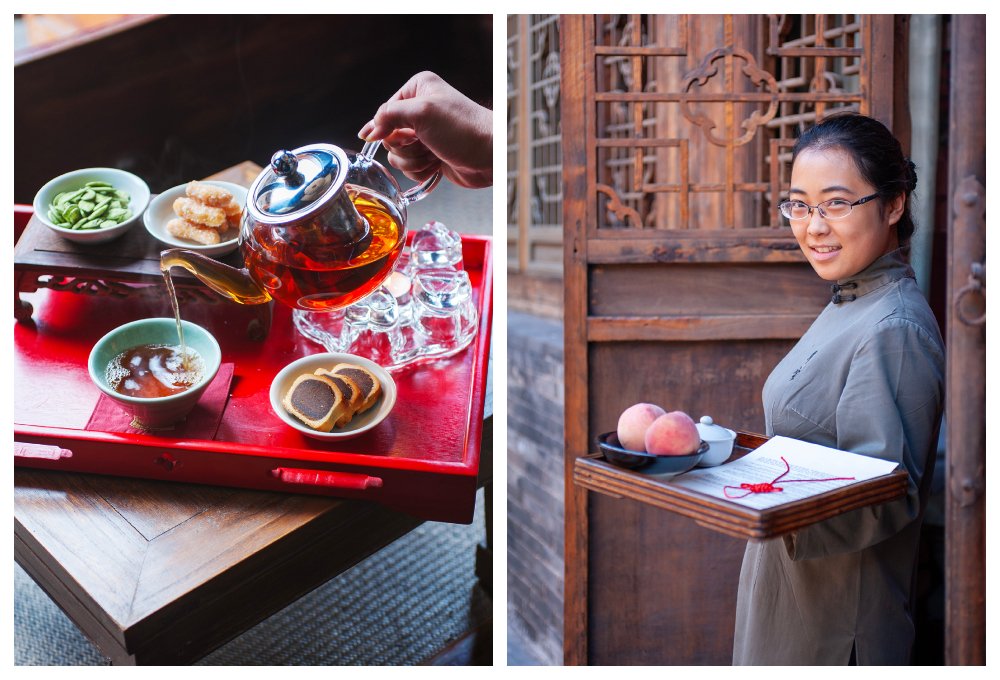
This route is being developed as a small-group, curator-hosted journey through northern China in its most atmospheric season. It moves through both well-known and lesser-visited places at a slower pace, with a strong focus on food, regional rhythm, and on-the-ground interpretation through trusted local travel partners and guiding.
Register your interest below, and we’ll share details as the journey moves toward confirmation.